
Instrument Flight Calibration is a critical aviation safety process used to test, measure, and validate the accuracy of ground-based navigation systems that guide aircraft during takeoff, en route navigation, and landing. These systems include Instrument Landing Systems (ILS), VOR beacons, DME stations, and other radio navigation aids that pilots rely on to fly safely in both clear and low-visibility conditions. Over time, these systems can drift slightly due to environmental factors, technical wear, or signal interference, and even small deviations can create serious safety risks in aviation operations.
The purpose of Instrument Flight Calibration is to ensure that every signal transmitted from the ground is accurate, stable, and compliant with strict international aviation standards. This process is essential because modern aviation depends heavily on precision navigation. Pilots use these signals to maintain correct alignment with runways and flight paths, especially when visibility is low. Without accurate calibration, even minor errors in signal transmission could result in incorrect approach guidance and unsafe flight paths.
Instrument Flight Calibration is also important because it supports the reliability of the entire aviation network. Airports depend on these systems to manage safe and efficient aircraft movements. When navigation aids are precise and regularly tested, pilots can trust the information they receive, and air traffic control can maintain smooth operations. This makes calibration a fundamental part of maintaining global aviation safety and operational consistency.

How Instrument Flight Calibration Is Carried Out
The process of Instrument Flight Calibration is completed using specially equipped aircraft designed to measure navigation signals with extreme accuracy. These aircraft are fitted with advanced sensors and avionics systems that record how ground-based navigation aids perform in real time. The calibration aircraft flies carefully planned patterns around airports and within controlled airspace to test signals from different angles and distances.
Before the flight takes place, detailed planning is carried out by engineers and calibration teams. They assess the navigation system being tested, review airspace conditions, and prepare precise flight paths that must be followed during the mission. Weather conditions are also checked carefully because wind, pressure, and atmospheric changes can influence signal behaviour and measurement accuracy. Every detail must be controlled to ensure reliable results.
Once airborne, the aircraft performs repeated flight passes while collecting data on signal strength, alignment, and stability. These readings are compared against established aviation standards to identify any deviations. After the flight, engineers analyse the collected data to determine whether the navigation system is operating within acceptable limits or requires adjustment and retesting.
Who Performs Instrument Flight Calibration and Why It Matters
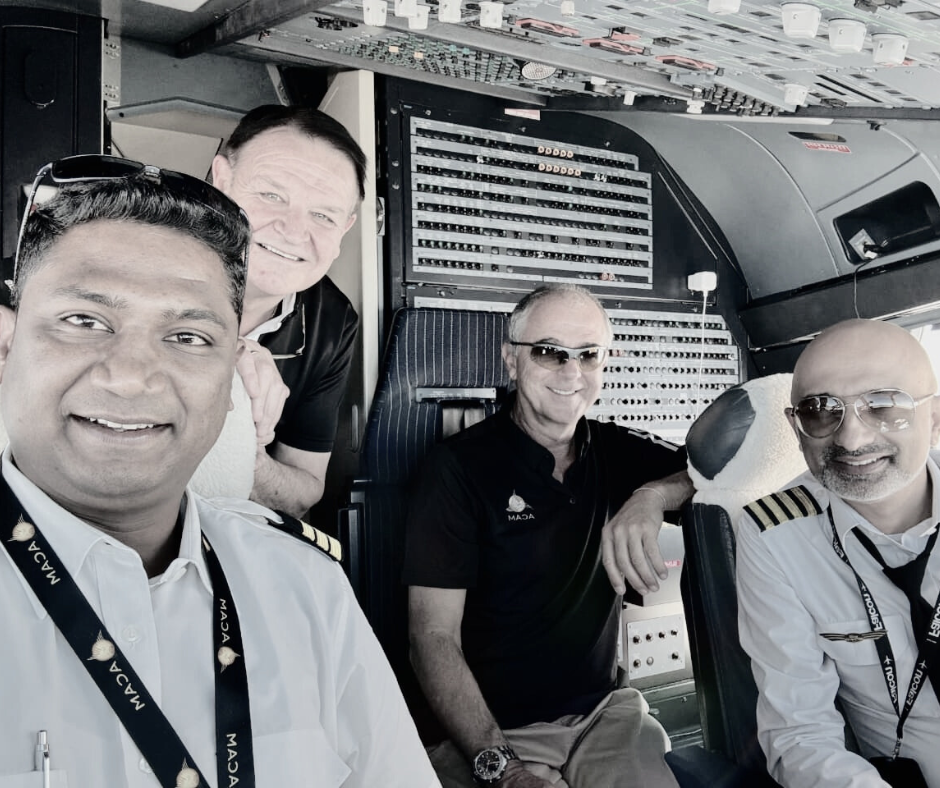
Instrument Flight Calibration is carried out by highly specialised teams working within aviation authorities, military organisations, or certified private calibration providers. These teams include test pilots, avionics engineers, and flight inspection specialists who are trained to operate in highly precise and controlled environments. The pilots in particular must maintain exact flight parameters because even small deviations can affect the accuracy of calibration data.
The engineering teams are responsible for analysing the data collected during flight and assessing whether navigation systems meet strict regulatory standards. They work closely with air traffic control and airport operations to ensure calibration flights do not disrupt normal aviation activity. This coordination is essential because calibration often takes place in active airspace shared with commercial traffic.
Instrument Flight Calibration is important because it ensures that every navigation aid used by pilots is accurate and reliable. It directly supports safe takeoffs, approaches, and landings across the global aviation system. Without it, airports would not be able to guarantee the precision required for modern flight operations, making it one of the most important safety processes in aviation today.